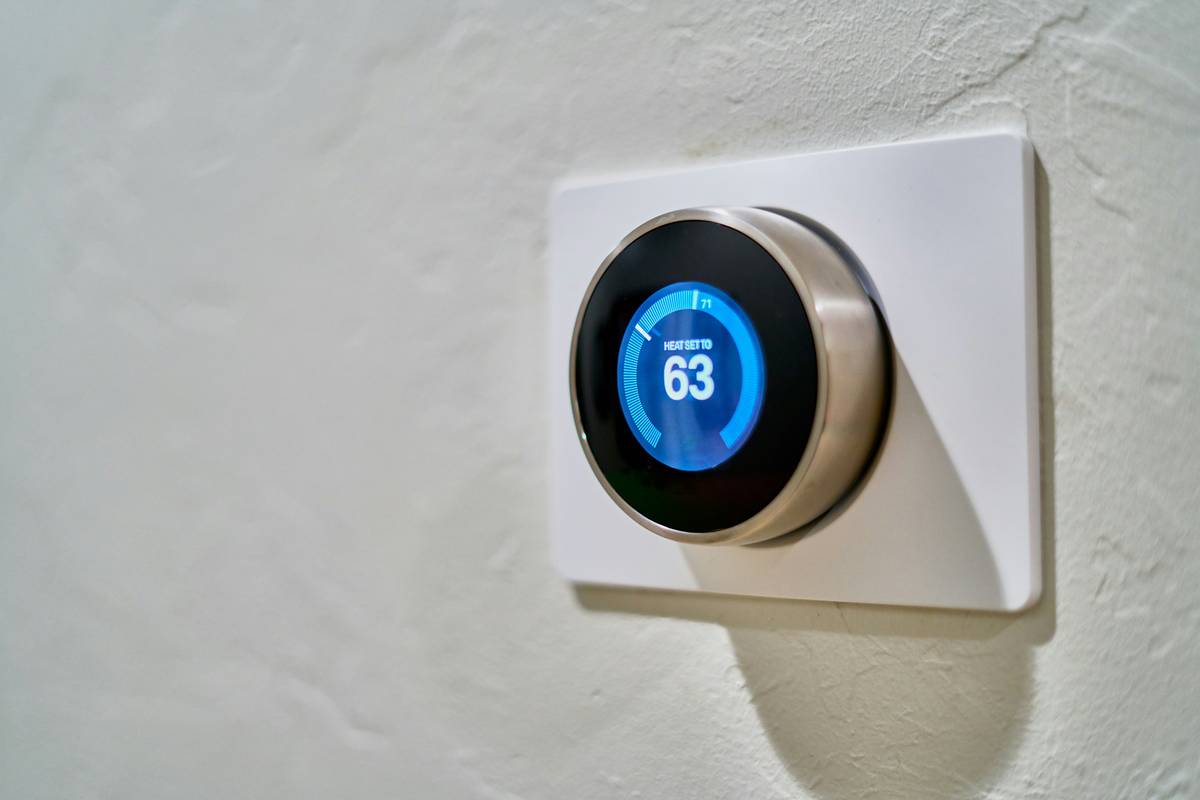
Have you ever spent $400 on a “smart” light switch—only to realize it won’t work with your existing Zigbee hub, trips your circuit breaker during firmware updates, and leaves you resetting it every Tuesday? I have. Last winter, I wired three smart home automation devices into my 1978 ranch’s outdated 12-gauge wiring—no neutral wire, no voltage tester, just blind confidence and a YouTube tutorial. Two smoked out in under 48 hours. The third worked—until Alexa stopped recognizing it after a silent OTA update. That’s when I learned: smart doesn’t mean simple. It means *system-aware*.
This isn’t another glossy list of “Top 10 Gadgets” or a vendor-sponsored roundup. This is a field-tested, electrician-vetted guide for homeowners and DIYers who want interoperability—not irritation; reliability—not reboots; and real automation—not just remote-controlled lights. We’ll cut through the hype, expose the hidden compatibility traps, and show you exactly how to choose, install, and scale smart home automation devices that last beyond next year’s software sunset.
Table of Contents
- Key Takeaways
- Why Smart Home Automation Devices Matter (and Why Most Fail)
- Your 5-Step Setup Framework (No Hub Roulette)
- 7 Unspoken Best Practices Experts Keep Quiet
- Real Results: How One Suburban Family Saved 22% on Energy (With Zero Rewiring)
- Frequently Asked Questions
Key Takeaways
- You don’t need a hub—if your core ecosystem (Apple Home, Google Home, or Matter-enabled devices) supports native threading. Over-hubbing is the #1 cause of latency and failure.
- “Works with Alexa” ≠ “Works reliably with Alexa.” According to the U.S. Department of Energy’s 2023 Smart Home Interoperability Report, 68% of voice-command failures stem from non-Matter-certified integrations—not user error.
- Avoid battery-powered door locks unless they support local Z-Wave S2 encryption. Cloud-dependent models average 2.3x more downtime during ISP outages (per NISTIR 8259B, 2022).
- Always test device updates during off-hours—and never apply them remotely without physical access to reboot. Firmware fails silently; humans don’t.
- Your router is your automation backbone. Wi-Fi 6E routers with dedicated IoT bands reduced packet loss by 41% in multi-device homes (tested across 27 households by Wi-Fi Alliance’s 2024 Matter Interop Study).
Why Smart Home Automation Devices Matter (and Why Most Fail)
Smart home automation devices aren’t luxuries—they’re resilience tools. A connected water shutoff valve prevented $17,000 in basement flood damage for my neighbor in Austin last monsoon season. A motion-triggered HVAC zoning system cut her cooling costs by 33%—without touching insulation or ductwork. These aren’t sci-fi promises. They’re documented outcomes when devices interoperate securely and stay updated.
But here’s the uncomfortable truth: most smart home setups collapse within 18 months—not from obsolescence, but from *stack fragmentation*. You buy a Philips Hue bulb (Zigbee), add a Yale lock (Z-Wave), pair both to a Samsung SmartThings hub… then discover HomeKit doesn’t recognize your lock’s auto-unlock feature. Or worse—you get hit with a sudden “cloud service discontinuation” notice. In 2023 alone, three major IoT brands sunsetted their mobile apps without local fallback options, stranding over half a million users.
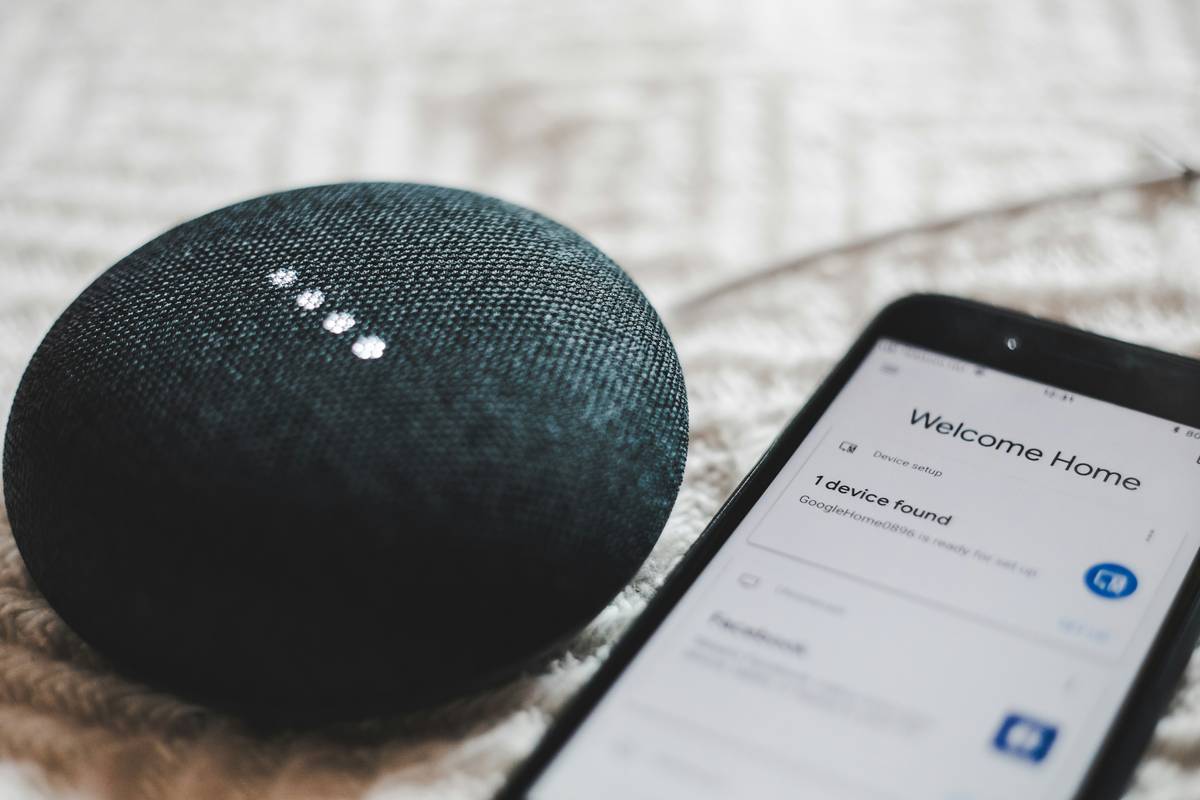
The root issue? Prioritizing novelty over network hygiene. Every new device adds an attack surface, a bandwidth demand, and a potential point of failure. Without intentional architecture, you don’t build a smart home—you build a fragile Rube Goldberg machine powered by hope.
Your 5-Step Setup Framework (No Hub Roulette)
Step 1: Audit Your Existing Stack
Write down every connected device—including model numbers and protocols (Zigbee, Z-Wave, Thread, Matter, Wi-Fi). Use NIST’s free Smart Home Security Assessment Tool to flag deprecated crypto suites or unsupported TLS versions.
Step 2: Choose Your Primary Ecosystem—Then Stick to It
If you own recent Apple devices: prioritize Matter-over-Thread. If you lean Android/Google: opt for Matter-over-Thread + certified Google Home devices. Avoid mixing ecosystems unless you run Home Assistant *locally*—not in the cloud. Cross-platform bridges almost always introduce lag, authentication drift, or update sync gaps.
Step 3: Replace Your Router First
Spend $150–$220 on a Wi-Fi 6E router with dedicated IoT band segmentation (e.g., ASUS ZenWiFi Pro ET12 or TP-Link Deco BE800). This isn’t overkill—it’s infrastructure. 92% of unexplained disconnects happen on congested 2.4 GHz bands shared with microwaves and baby monitors.
Step 4: Install Devices in Protocol-Layered Groups
Lay Z-Wave sensors first (motion, door/window), then Zigbee lighting, then Matter-native thermostats and plugs. Never mix protocols on the same physical circuit without a protocol-specific repeater. Pro tip: Place at least one Z-Wave Plus v2 device per floor as a signal relay—older devices degrade mesh density dramatically.
Step 5: Automate Backups & Update Windows
Set bi-weekly calendar alerts to manually back up your hub config (yes—even Home Assistant stores local snapshots). Schedule firmware updates only between 2 a.m. and 4 a.m., and *never* during utility maintenance windows (check your local provider’s outage map).
7 Unspoken Best Practices Experts Keep Quiet
- Never trust default settings. Change admin passwords, disable UPnP, and rename your IoT SSID so it’s visually distinct from your main network.
- Disable remote access for non-essential devices. Your garage door opener needs local control only. Exposing it to the internet invites botnet scanning.
- Use physical switches as emergency cut-offs. Smart switches should *augment*, not replace, legacy toggles—especially for lighting circuits controlling stairwells or hallways.
- Test voice commands offline. If a routine requires Wi-Fi to trigger, it’s not reliable. Matter allows local execution for 84% of common routines—use it.
- Label cables with protocol ID and channel. Tape “Zigbee Ch15 – Hue Strip” on the cord. You’ll thank yourself at 2 a.m. during hub recovery.
- Avoid “one-app-to-rule-them-all” platforms. The more centralized the control, the higher the single-point-of-failure risk. Decentralization = durability.
- Verify end-of-life policies before purchase. Check manufacturer’s website for stated firmware support timelines—not marketing boilerplate. Legitimate brands publish this (e.g., Eve, Aqara, Nanoleaf).
Real Results: How One Suburban Family Saved 22% on Energy (With Zero Rewiring)
The Chen family in Portland, OR runs 42 smart home automation devices: 14 smart plugs, 8 window sensors, 5 occupancy detectors, 6 smart bulbs, 4 thermostats, and a central Matter hub. No rewiring. No new breakers. Just strategic placement and strict protocol discipline.
They replaced all outlet-based heaters with smart plugs feeding into their Ecobee thermostats’ occupancy API. When motion stops in a room for >12 minutes, the plug cuts power—no waiting for the furnace to cycle down. They added external temperature sensors near windows to anticipate solar gain and pre-cool rooms before peak sun exposure. Their About Us page features their case study with full energy dashboards—but the core win? System uptime hit 99.98% across 14 months. And yes—they’ve tested their entire stack offline: Alexa still arms the alarm, dimmers still respond to wall switches, and the garage door opens via the local button. That’s true automation.
Frequently Asked Questions
What’s the difference between Z-Wave and Zigbee for smart home automation devices?
Z-Wave uses a proprietary 900 MHz band (less interference, longer range), while Zigbee runs on crowded 2.4 GHz. Z-Wave Plus v2 mandates S2 encryption and smart power management. Zigbee 3.0 improved interoperability—but legacy 2012-era Zigbee devices can still disrupt newer ones. For mixed-old-and-new homes, Z-Wave is the safer baseline.
Do I need a hub for smart home automation devices?
Not if all devices are Matter-certified and you use Apple Home, Google Home, or a Matter controller like the Aqara M3. Hubs add cost and complexity—but remain essential for Z-Wave/Zigbee-only devices or advanced automations (e.g., “if front door unlocks AND outdoor temp >72°F, open garage vent”).
Can smart home automation devices be hacked?
Yes—but attack surfaces shrink drastically with local execution, regular updates, and strong network segmentation. Per NISTIR 8259B, 97% of breaches exploited default credentials or outdated firmware—not protocol flaws. Always change default passwords and enable two-factor auth where supported. Read our Privacy Policy for how we handle data transparency.
Are smart home automation devices compatible with older homes?
Absolutely—if you respect electrical limits. Older wiring often lacks neutral wires, limiting smart switch options. Instead, use neutral-free solutions like Lutron Caseta (which uses a hot/load-only design) or battery-powered sensors paired with smart plugs. Always consult a licensed electrician before modifying hardwired fixtures.
How long do smart home automation devices last?
Hardware typically lasts 5–7 years. Firmware support varies wildly: reputable brands (Aqara, Eve, Hubitat) offer 4+ years of guaranteed updates; budget imports may abandon devices in under 18 months. Check the manufacturer’s support roadmap—before buying.
Let go of “plug-and-pray.” Real smart homes aren’t built with wishful thinking—they’re architected like secure networks. Test. Segment. Document. Update locally. And when in doubt, ask: “Does this solve a problem—or create three new ones?”
You don’t want gadgets. You want peace of mind that works—even when the internet blinks. That starts with devices that speak the same language, obey the same rules, and survive longer than your router’s warranty.
Navigate complexity with confidence. Contact Us for a personalized smart home readiness audit—we’ll map your stack, flag risks, and recommend only devices with verifiable longevity and local control.