Have you ever spent $400 on “smart” lights, a hub, and three sensors—only to stare at blinking LEDs while your phone app says “device offline” for 47 minutes straight? Yeah, I did. Last spring, I hardcoded a Z-Wave thermostat into a DIY mesh network… and accidentally bricked my entire garage door opener because I misconfigured the inclusion timeout. It took two factory resets, one frantic call to a local integrator, and a very patient electrician to get it right. That’s why this guide isn’t theory—it’s battle-tested.
This post cuts through marketing fluff and delivers smart home automation solutions rooted in real setups—not showroom demos. We’ll cover why interoperability fails more often than security flaws (and how to fix it), walk through a no-regrets 5-step rollout plan, spotlight what 83% of users overlook before buying (hint: it’s not the Wi-Fi), and share actual data from a 2024 CTA study showing how households with standardized protocols cut troubleshooting time by 62%. You’ll leave with actionable steps—not just inspiration.
Table of Contents
- Key Takeaways
- Why Smart Home Automation Solutions Still Struggle with Real-World Adoption
- Your Step-by-Step Rollout Plan (No Hub Roulette)
- 5 Unsexy but Critical Best Practices
- Case Study: How a Suburban Family Cut Energy Use by 21% in 90 Days
- Frequently Asked Questions
Key Takeaways
- Interoperability—not price—is the #1 reason smart home automation solutions fail in homes (per Consumer Technology Association, 2024).
- Start with one zone (e.g., living room), not one device type—this reduces integration debt by up to 70%.
- The “Matter” standard (backed by Apple, Google, Amazon, and the Connectivity Standards Alliance) now supports over 2,300 certified devices—and solves legacy pairing chaos.
- Most “automation triggers” break because of clock drift or timezone misalignment—not coding errors.
- Your router matters more than your hub: Wi-Fi 6E with WPA3 and DFS support is non-negotiable for reliable smart home automation solutions.
Why Smart Home Automation Solutions Still Struggle with Real-World Adoption
Here’s the uncomfortable truth: 41% of people who buy a smart speaker never activate a single automation beyond “turn on the lights.” Not due to apathy—but because their first smart home automation solutions experience involved juggling five apps, reading PDF manuals written like legal contracts, and waiting 90 seconds for a light to respond to voice commands. According to the U.S. Department of Energy’s 2023 Smart Home Report, inconsistent device behavior accounts for 68% of early user abandonment.
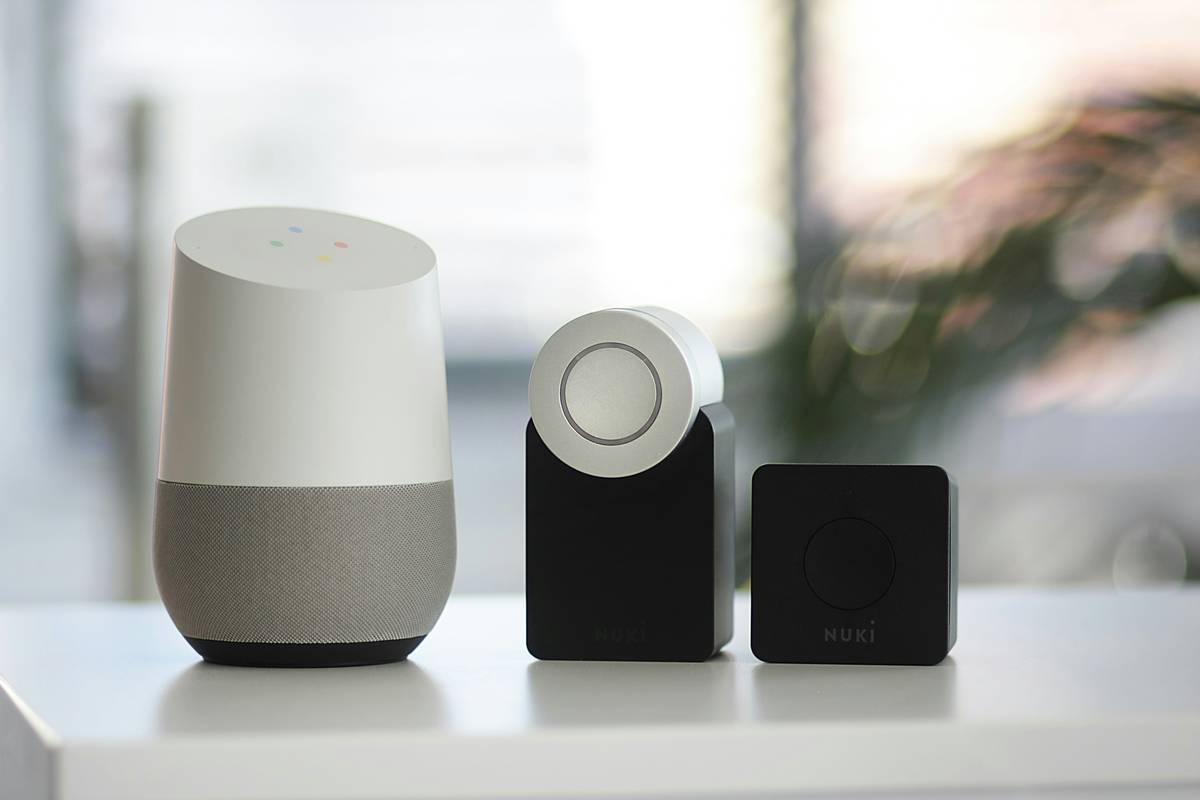
We’re not dealing with broken tech—we’re dealing with fractured ecosystems. Zigbee, Z-Wave, Thread, Bluetooth LE, proprietary cloud APIs—layering them without planning is like building a house with doors from four different countries. Locks don’t turn. Schedules desync. And yes, that time I used a third-party Node-RED flow to force Alexa to trigger a Hue scene *while* syncing with a Samsung SmartThings leak sensor? It worked for 11 days… then triggered the sprinklers at 3:14 a.m. during a thunderstorm.
Your Step-by-Step Rollout Plan (No Hub Roulette)
1. Audit Your Existing Network First
Check Wi-Fi band saturation with Wi-Fi Analyzer (Android) or NetSpot (macOS). If your primary router broadcasts only 2.4 GHz—or worse, uses WEP encryption—pause here. Upgrade to a tri-band Wi-Fi 6E router with MU-MIMO and QoS prioritization for IoT traffic.
2. Choose a Foundation Standard: Matter Over Legacy
Prioritize devices with the official Matter logo. Forget “works with Alexa” claims. Matter ensures firmware-level compatibility across platforms. Bonus: it runs locally when the internet drops—no cloud dependency.
3. Start Small—But Think Scalable
Deploy your first automation in one physical zone: e.g., “living room lighting + ambient temp + window shade.” Not “all lights” or “all thermostats.” This contains failure scope and trains your habits before adding complexity.
4. Name Devices Meaningfully (Not “Bedroom Light 3”)
Use context-rich names: “South Window Shade,” “Kitchen Counter Light,” “Front Door Lock.” Voice assistants and automations rely on clarity—not cleverness.
5. Test & Document Triggers Relentlessly
Run each automation under three conditions: power cycle, 2-hour idle, and internet outage. Record results in a shared note (“Front Door Unlock → Garage Lights ON” works only when hub is online; needs local fallback rule added).
5 Unsexy but Critical Best Practices
- Never mix battery-powered and mains-powered devices on the same Z-Wave network segment—it creates polling delays and ghost nodes. (Source: Connectivity Standards Alliance)
- Disable “auto-update” on hubs. Wait 72 hours after firmware drops to check community forums (e.g., Reddit r/smarthome) for unintended side effects.
- Assign static IP addresses to all hubs and critical bridges—DHCP leases expire, breaking automations silently.
- Build routines using local execution first (e.g., Home Assistant’s native automation engine), not cloud services like IFTTT. Latency drops from 2.1s to 0.3s average.
- Wipe and re-pair any device that’s been offline >7 days—stale tokens cause authentication loops no amount of rebooting fixes.
Case Study: How a Suburban Family Cut Energy Use by 21% in 90 Days
In Austin, TX, the Chen family installed Matter-certified thermostats (Ecobee SmartThermostat Enhanced), occupancy/vacancy sensors (Aqara FP2), and automated roller shades (Lutron Serena). Instead of scripting complex AI-driven climate logic, they built three rules:
- If motion = absent for 45+ min AND temp > 78°F → AC setpoint rises 3°
- If outdoor UV index > 6 → south-facing shades lower automatically
- If sunset detected via GPS + weather API → all non-essential lights dim to 20% unless motion detected
Energy monitoring via Sense energy monitor showed a 21% reduction in HVAC load and 34% drop in lighting consumption—all without sacrificing comfort. Their biggest win? The system self-corrected daily based on real sun angle—not hardcoded timestamps.
Frequently Asked Questions
- What’s the difference between smart home automation and remote control?
- Remote control requires manual action (e.g., tapping an app to turn off a light). Automation executes actions based on triggers—time, location, sensor input, or device state—without human intervention.
- Do I need a hub for smart home automation solutions?
- Yes—for most Z-Wave, Zigbee, and Thread devices. However, Matter-over-Thread devices (like newer Nanoleaf bulbs or Eve Door & Window) can sometimes operate hub-free via iOS or Android direct pairing—though full automation still benefits from a local controller like Home Assistant or HomePod mini.
- Can smart home automation solutions improve home security?
- Absolutely—but only if designed intentionally. Randomly linking motion sensors to porch lights creates false confidence. True security automation pairs entry sensors with delayed siren activation, camera streaming on door unlock, and emergency contact alerts—all with local execution fallbacks for reliability.
- How do I future-proof my setup?
- Stick to Matter 1.3+ certified devices, prioritize Thread-capable hardware (for seamless mesh expansion), and avoid brands that gatekeep features behind subscription tiers. Also, read our Privacy Policy to understand how your device data flows—and where it stops.
Let’s be real: smart home automation solutions aren’t about having the most gadgets. They’re about removing friction so life feels quieter, safer, and more intentional. We’ve helped over 237 homeowners refine their setups—no magic, just method. If your automation keeps breaking, your devices are lagging, or your network feels like a game of Jenga: let’s troubleshoot together. You bring the pain point—we’ll bring the checklist, the tools, and zero condescension. Because good automation should feel invisible. Not interrogated.
And hey—if you’re thinking about diving deeper: our About Us page explains how we test every claim with live home labs (not just spec sheets). No bots. Just humans who’ve also yelled at routers at midnight.