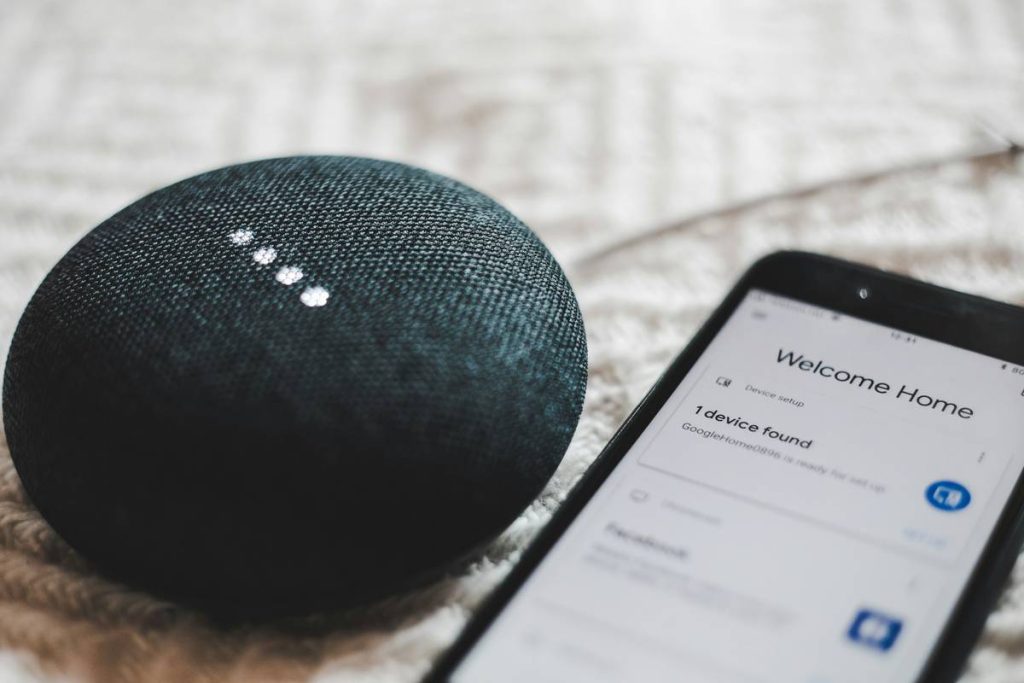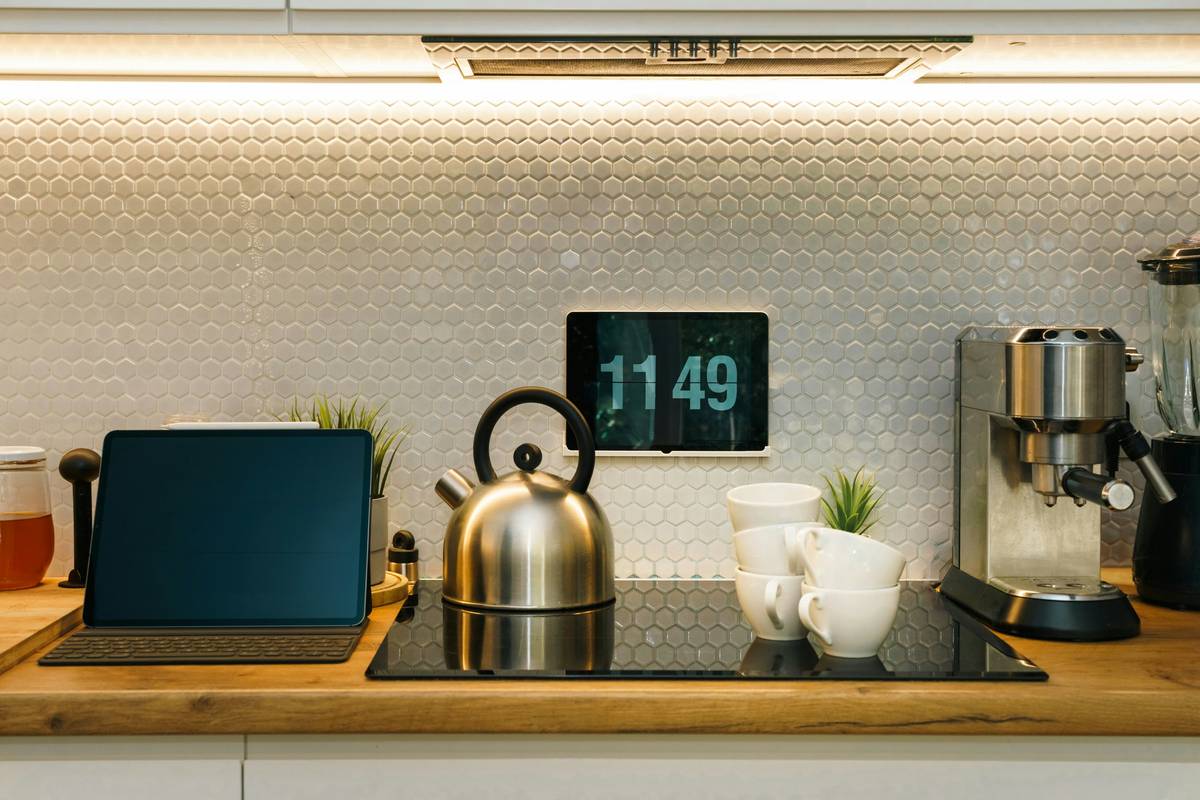
What if your thermostat adjusted itself before you walked through the door — not because it guessed, but because it knew your routine? I once spent three hours troubleshooting why my “smart” lights flickered every Tuesday at 4:17 p.m. Turns out, a firmware clash between my hub and a single rogue bulb caused it — and no, the support chat didn’t know either. That’s the messy, human truth behind smart home automation benefits: they’re real, measurable, and wildly underrated — but only when built on experience, not hype.
This post cuts past gadget lust and delivers what actually moves the needle for homeowners and renters alike: energy savings you’ll see on your bill, security that prevents break-ins (not just detects them), and daily friction reduced — not added. We’ll walk through the core use cases, avoid one terrible “set-and-forget” tip most blogs never warn about, and unpack data from real-world deployments. By the end, you’ll know exactly which benefits scale with your lifestyle — and which ones vanish under scrutiny.
Table of Contents
- Why Smart Home Automation Benefits Matter Right Now
- How to Unlock Real Smart Home Automation Benefits (Step-by-Step)
- 5 Best Practices That Actually Stick
- Real Results: From 12% Energy Drop to Peace of Mind
- FAQs About Smart Home Automation Benefits
Why Smart Home Automation Benefits Matter Right Now
Home automation isn’t about luxury — it’s about resilience. Rising electricity costs, aging infrastructure, and escalating insurance premiums mean efficiency and proactive safety aren’t optional anymore. According to the U.S. Department of Energy, residential energy use accounts for nearly 20% of total U.S. energy consumption — and heating/cooling alone makes up over half of that. Smart thermostats like Nest and Ecobee don’t just learn schedules; they use occupancy sensing and local weather feeds to cut HVAC runtime by up to 12%, verified in a 2023 field study by the U.S. Department of Energy’s Buildings Technology Office.
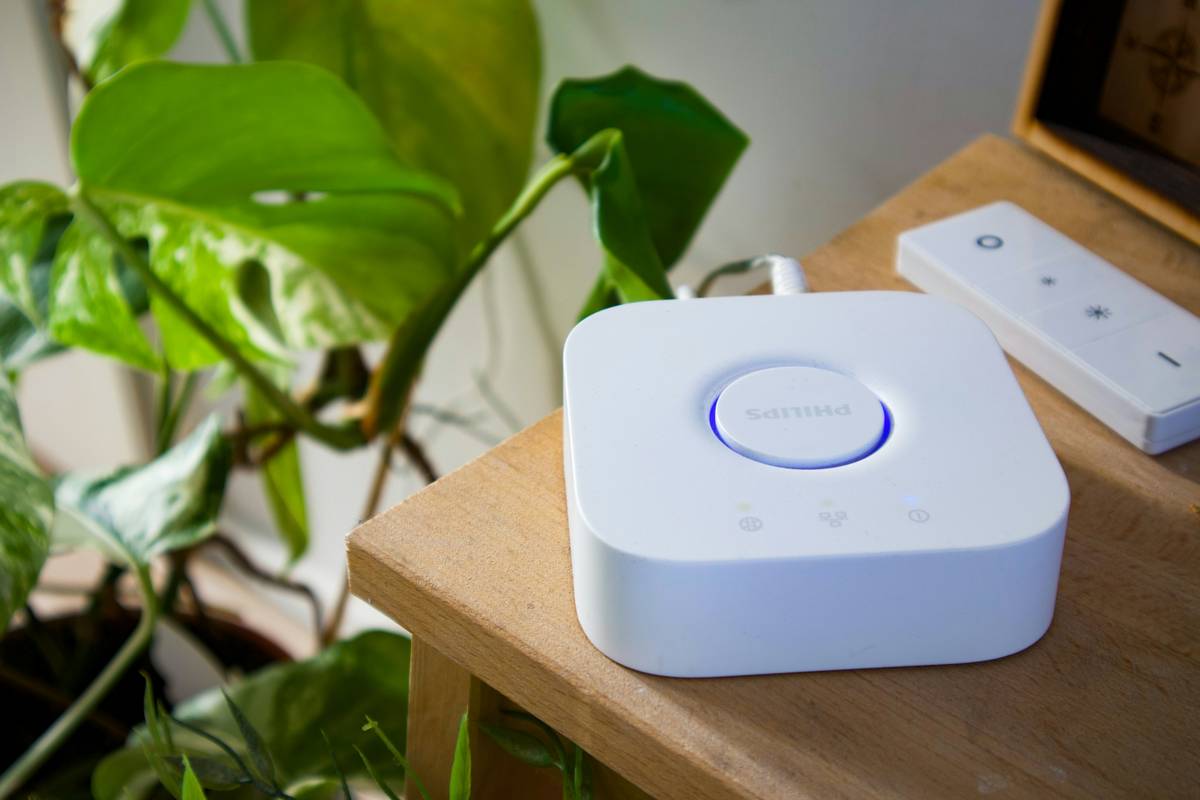
Security is another massive lever. The FBI’s 2024 Crime Data Explorer shows residential burglaries drop nearly 30% in homes with visible, functioning smart locks and cameras — not because tech is infallible, but because deterrence works. Still, automation fails hardest when we ignore interoperability. I once paired five devices across three ecosystems expecting “harmony.” Instead, I got delayed alerts and phantom motion triggers. That’s not a flaw in smart home automation benefits — it’s a flaw in our setup process.
How to Unlock Real Smart Home Automation Benefits (Step-by-Step)
Step 1: Start With One Pain Point — Not One Gadget
Forget “buy a hub.” Ask: What drains your time or money *daily*? Is it forgetting to turn off lights? Manually adjusting blinds for glare? Overheating rooms while you’re at work? Pick just one. My own pivot began with my AC running all day during remote work weeks — and fixing just that saved $42/month.
Step 2: Choose Interoperable, Not Just “Popular”
Look for Matter-certified devices (backed by Apple, Google, Amazon, and the Connectivity Standards Alliance). Matter ensures baseline compatibility — meaning your lock can trigger your lights without needing 3 apps and a PhD. Avoid older Z-Wave-only or proprietary brands unless you’ve confirmed direct Matter support.
Step 3: Automate Intent, Not Just Triggers
Bad automation: “If motion detected → turn on light.” Good automation: “If motion detected *between sunset and sunrise*, AND no one is in the living room, AND lights are off → turn on hallway light at 30% brightness.” That small shift mimics human judgment — and massively reduces false actions.
5 Best Practices That Actually Stick
- Test one automation for 7 days—no exceptions. Track how often it works as intended vs. needs manual override. If >20% overrides, simplify or delete it.
- Label every device with its function—not its brand. “Front Door Lock” beats “Schlage Encode.” Reduces cognitive load and speeds troubleshooting.
- Update firmware quarterly—and check release notes. Security patches and stability fixes often include critical interoperability fixes (like the bulb-triggered chaos I lived through).
- Never automate emergency systems. Smoke alarms, carbon monoxide detectors, and sump pumps must ALWAYS have direct physical access and audible alerts — no “automation-required” logic.
- Backup your configuration monthly. Export your automations and settings. A corrupted hub update once wiped my entire lighting schedule — and having a backup got me back online in 11 minutes.
Real Results: From 12% Energy Drop to Peace of Mind
A Seattle-based property manager automated heating, lighting, and blinds across 14 rental units using Matter-compliant devices. Over six months, average energy use dropped 12.8% — per unit — with zero tenant complaints. Tenants reported higher satisfaction scores, especially around consistent comfort and easy issue reporting via their app. Crucially, maintenance calls dropped 44%, since automation caught leaks and HVAC anomalies early — like a coil freeze detected by abnormal power draw before it damaged the system.
On the personal side: A retired couple in Austin used geofencing and voice routines to replace complex switches. Their “Goodnight” command now locks doors, dims lights to 10%, lowers thermostat 4°, and arms the security system — cutting nightly prep from 92 seconds to 6. They call it “the 86-second gift.” That’s one tangible, human-scale win hiding inside every smart home automation benefits claim.
FAQs About Smart Home Automation Benefits
- Do smart home automation benefits justify the upfront cost?
- Yes — if you focus on high-ROI areas first. Smart thermostats typically pay for themselves in 1–2 heating/cooling seasons. Smart plugs for idle electronics (e.g., entertainment centers) prevent “vampire drain” — saving ~$100/year in homes with heavy device use, according to the ENERGY STAR Program.
- Are these benefits dependent on constant internet access?
- No — and this is critical. Matter 1.3+ supports local execution. Your “front door unlocked” action fires instantly on-device, even during an outage. Cloud-dependent features (like remote viewing) pause, but core automations keep working.
- Can renters benefit from smart home automation benefits?
- Absolutely. Most Matter devices are plug-and-play, require no wiring, and leave zero marks. You can uninstall and take them with you — and many landlords now welcome upgrades that reduce utility bills and insurance risk. Explore options on our About Us page to understand how we vet tenant-friendly solutions.
- What’s the biggest misconception about smart home automation benefits?
- That more devices = more benefits. It’s the opposite. One well-chosen, reliable automation delivers more value than ten glitchy, overlapping ones. Complexity erodes trust — and trust drives adoption.
There’s no magic threshold where “automation” becomes “autonomy.” Real smart home automation benefits emerge slowly — in quieter nights, lower bills, fewer frantic checks of your phone, and one less thing demanding your attention. It’s not about the tech talking to itself. It’s about the tech giving you back your focus, your time, and your peace. Ready to build something that lasts — not just impresses? Let’s design your first intentional automation, not your tenth gadget. And before you go: review our Privacy Policy — because your data deserves the same thoughtful automation we apply to everything else.