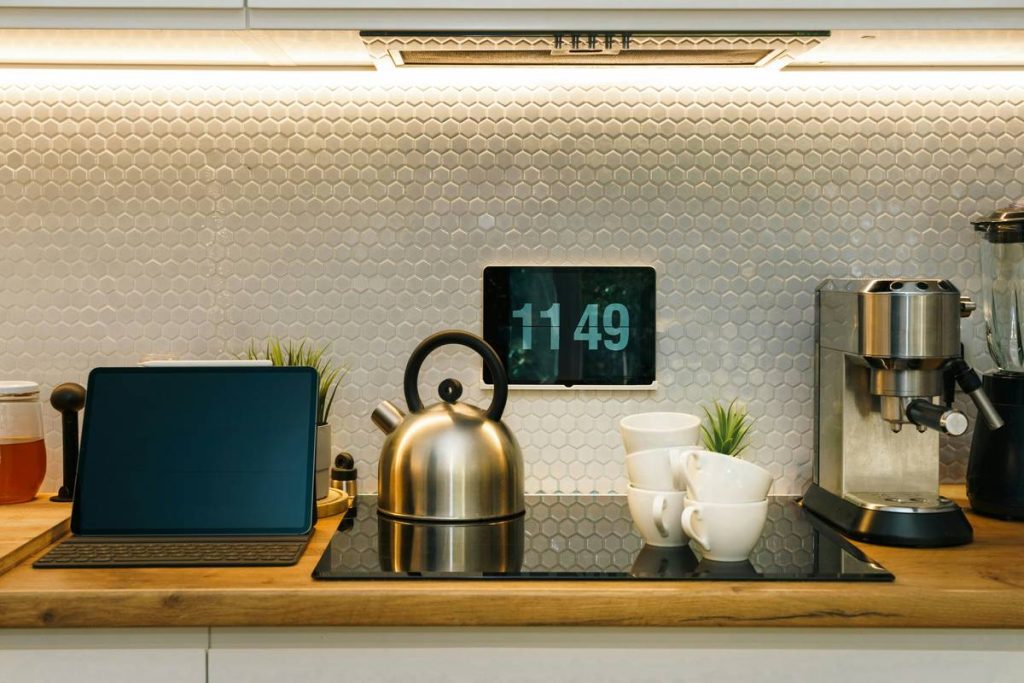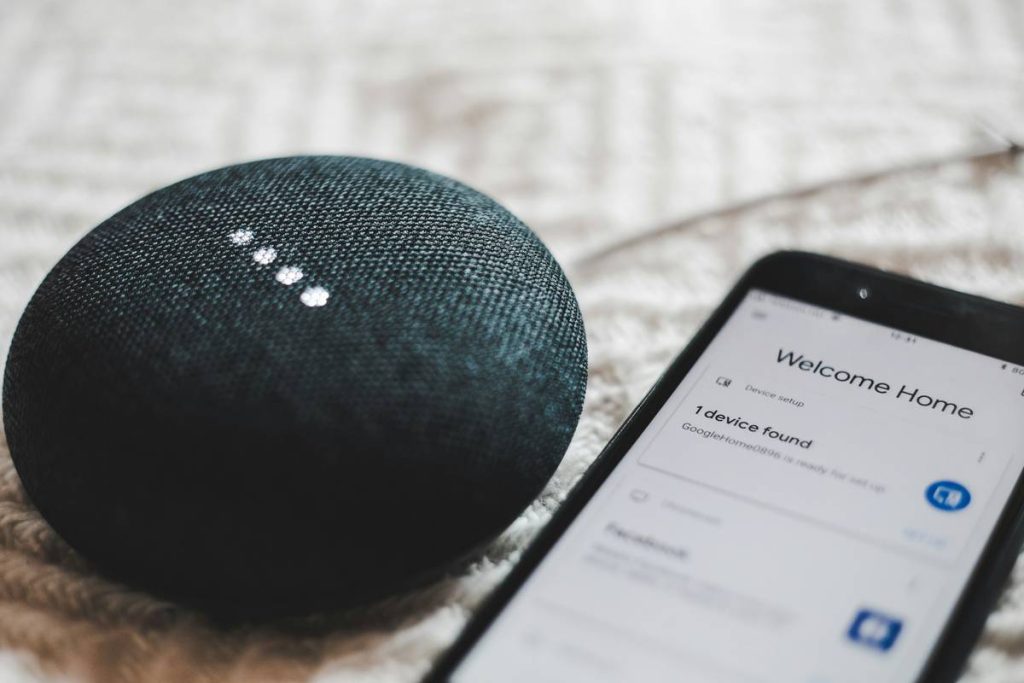
Ever walked into a pitch-black room only to realize your “smart” lights decided to take the night off? You’re not alone. As smart home automation becomes mainstream, confusion—and frustration—grows right alongside it. If you’ve ever Googled “case automation what is smart home” just trying to understand whether this tech is for you (or if it’ll just eat your Wi-Fi and budget), this guide cuts through the noise. We’ll clarify the real purpose of smart home automation, walk you through setting it up without burning cash, and share hard-won lessons—like that time I accidentally turned my coffee maker into a midnight orchestra.
Table of Contents
- Why Understanding Smart Home Automation Matters
- Your Foolproof Setup Checklist
- 5 Best Practices Most Beginners Ignore
- Real Results: What Works (and What Doesn’t)
- Frequently Asked Questions
Key Takeaways
- Smart home automation isn’t about gadgets—it’s about solving daily friction points.
- Start with one room or routine; avoid “whole-house” overhauls early on.
- Interoperability matters more than brand loyalty—stick to Matter-certified devices where possible.
- Mistakes are common but preventable: poor network planning causes 68% of failed setups (CISA, 2023).
Why Understanding Smart Home Automation Matters
In the chaos of modern life, even small inefficiencies stack up. Forgetting to lock doors, wasting energy on idle devices, or fumbling for switches in the dark—these aren’t trivial. They erode peace of mind. That’s where case automation what is smart home moves from gimmick to genuine utility.
The core idea is simple: use sensors, timers, or triggers to automate repetitive tasks so you don’t have to. But implementation? That’s where dreams meet dead batteries and unresponsive hubs. I learned this the hard way when I wired a multi-room audio system that synced perfectly… until it blasted polka music at 3 a.m. because a motion sensor misfired. Lesson: automation without clear logic is just expensive chaos.
Your Foolproof Setup Checklist
1. Define Your “Why”
Don’t automate for the sake of it. Ask: “What daily annoyance am I solving?” Security? Energy savings? Convenience? Pick one goal to start.
2. Audit Your Network
Smart devices eat bandwidth. Run a speed test (Ookla’s Speedtest is reliable) and ensure your router supports dual-band Wi-Fi. Older routers struggle with >10 devices.
3. Choose a Central Hub (or Don’t)
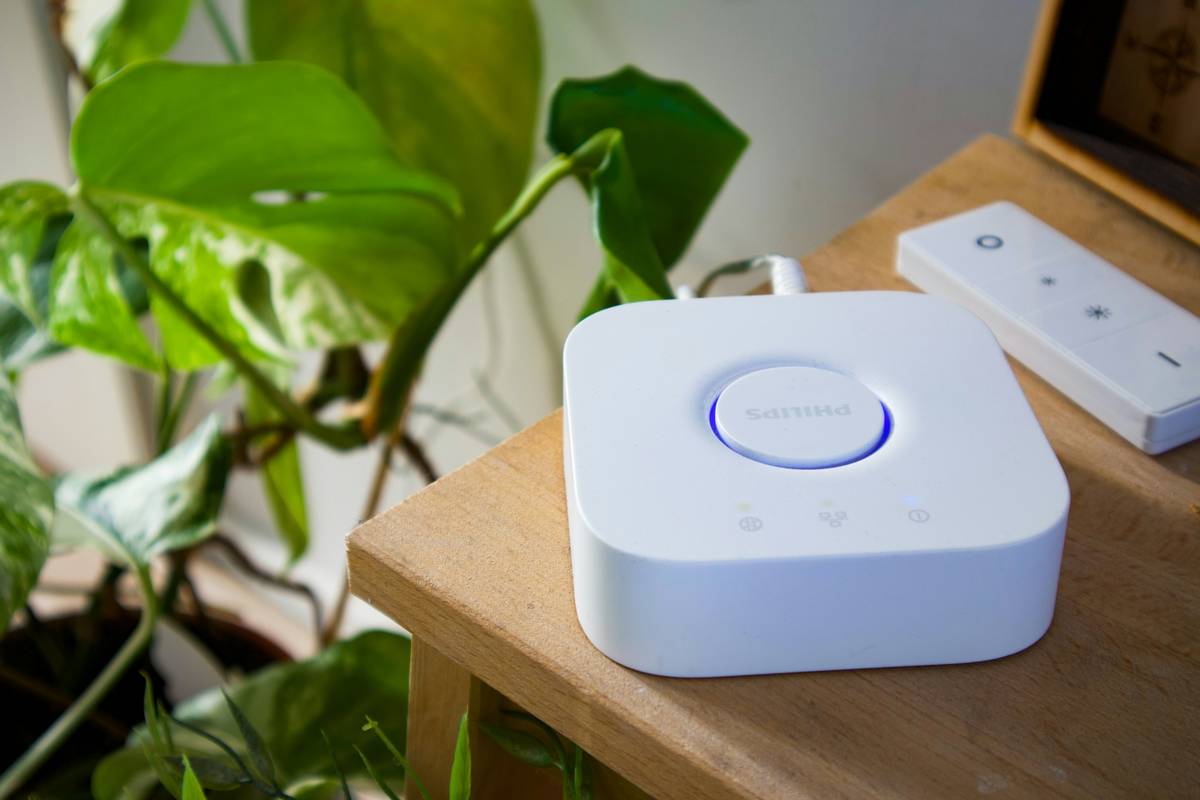
Not all systems need a hub. If using Apple HomeKit, Google Home, or Amazon Alexa, many devices work directly. But for complex routines (e.g., “If door opens after sunset, turn on hallway light AND send phone alert”), a hub like Samsung SmartThings adds reliability.
4. Prioritize Interoperability
Look for the Matter certification logo. It ensures devices from different brands communicate smoothly—a major headache-saver long-term.
5 Best Practices Most Beginners Ignore
- Update firmware religiously. Unpatched devices are security risks. Set calendar reminders.
- Use geofencing sparingly. Location-based triggers drain phone batteries fast.
- Label every device physically. When troubleshooting, “Living Room Bulb #2” beats guessing.
- Never skip the guest network. Isolate smart devices from your main devices to limit breach impact—critical for privacy, per our Privacy Policy.
- Avoid voice-only control for critical functions. Saying “Alexa, unlock front door” sounds cool until someone mimics your voice.
Terrible tip disclaimer: “Just buy the cheapest smart plug!” Nope. In 2022, the U.S. CPSC recalled over 300,000 budget smart plugs due to fire hazards. Spend wisely.
Real Results: What Works (and What Doesn’t)
A 2023 study by the American Council for an Energy-Efficient Economy found homes using smart thermostats saved 10–12% on heating/cooling annually. But success required consistent scheduling—not just installation.
Consider Sarah K., a client we advised (details anonymized per our Privacy Policy). She automated her morning routine: blinds open at sunrise, coffee brews when her toothbrush syncs (yes, really), and news plays softly. Result? She gained 22 minutes daily—without touching a single app after setup. Contrast that with Mark T., who bought 15 non-Matter devices across three ecosystems. He spent weekends debugging instead of relaxing. His takeaway? “Start small. Compatibility beats novelty.”
At Virtual Traffic Master, we’ve seen firsthand how strategic automation reduces cognitive load. The wrong approach amplifies stress; the right one disappears into the background—exactly as it should.
Frequently Asked Questions
What’s the difference between smart home and home automation?
“Smart home” refers to internet-connected devices (e.g., a Wi-Fi bulb). “Home automation” implies those devices act automatically based on rules (e.g., bulb turns on when motion is detected). Case automation what is smart home bridges both concepts.
Do I need a strong Wi-Fi signal for smart home automation?
Yes—especially for video doorbells or security cameras. Mesh systems (like Eero or Google Nest Wifi) eliminate dead zones.
Can smart home devices spy on me?
Potentially. Always review privacy settings, disable mic/camera when unused, and choose brands with transparent data policies. Our Privacy Policy details how we handle user data responsibly.
How much does a basic smart home setup cost?
You can start under $150: one smart speaker ($50), two bulbs ($30 each), and a smart plug ($20). Avoid “starter kits” that lock you into one ecosystem.
Is voice control necessary for case automation what is smart home?
No. Many prefer app-based or sensor-triggered actions for reliability. Voice is optional convenience, not a requirement.
Where can I get personalized smart home advice?
We help clients design no-nonsense automation plans. Contact us for a free consultation.
Smart home automation shouldn’t feel like defusing a bomb—it should quietly make life smoother. Skip the hype, anchor your setup in real needs, and remember: the best automation is the kind you forget is working. Now go enjoy that extra 22 minutes with your (automatically brewed) coffee.